
Scroll

NEW POOLS
WHAT TO EXPECT WHEN BUYING A POOL IN 2026
Buying a pool today looks a little different than it did just a few years ago—but the fundamentals of good planning, quality construction, and a thoughtful process remain the same. If you’re considering a backyard pool in 2026, here’s what you can expect.

NEW POOLS
Interested in having your own backyard pool? Here are some of our top articles about the journey to pool ownership and how to get started.
Featured

Buying a pool today looks a little different than it did just a few years ago—but the fundamentals of good planning, quality construction, and a thoughtful process remain the same. If you’re considering a backyard pool in 2026, here’s what you can expect.
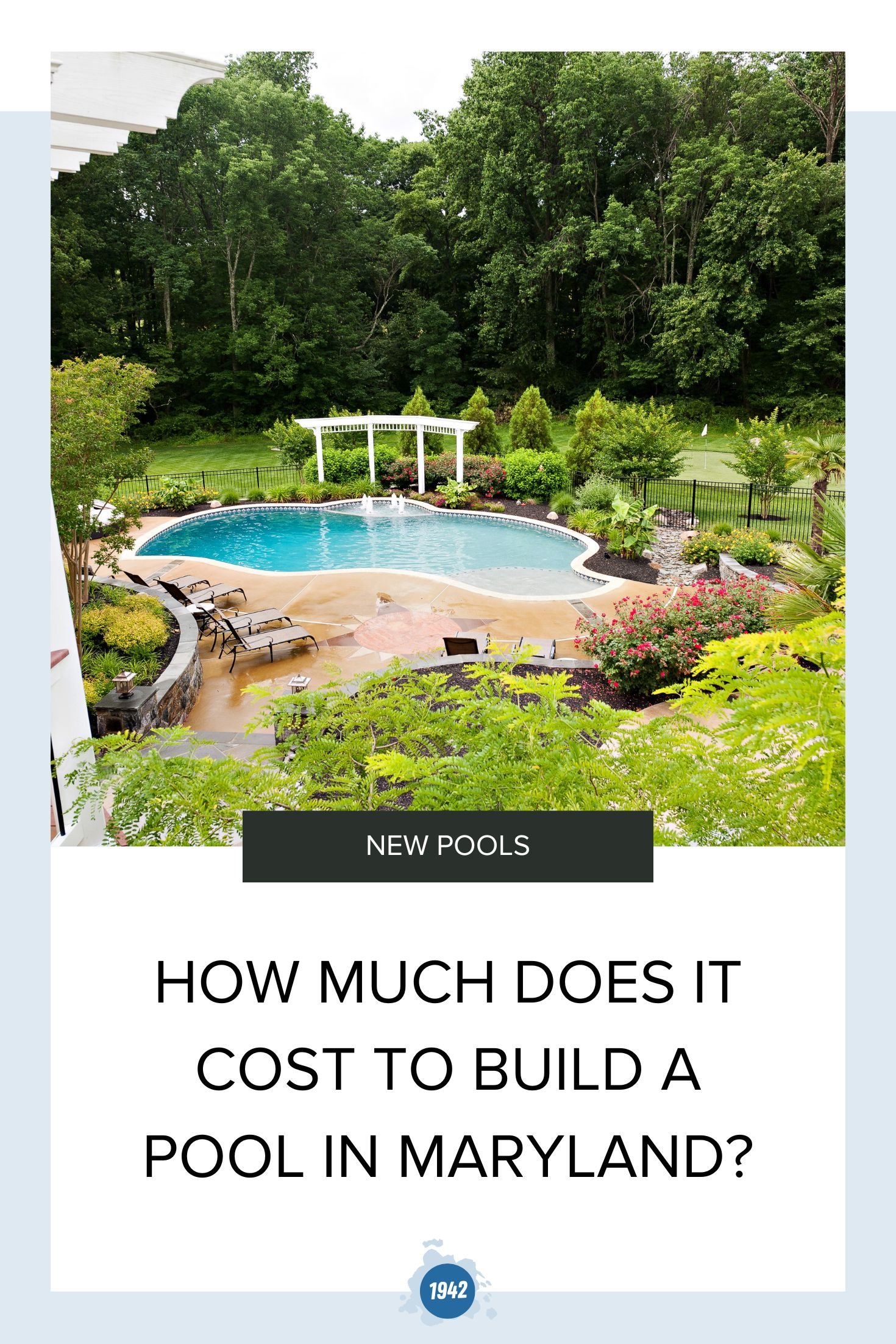
As pool builders for over 83 years, it's safe to say that the number one question we get is, "How much does it cost to build a pool?" Unfortunately, this question is difficult to answer because every project is unique. However, we understand that budgeting and financing can be challenging without some idea of the costs involved.
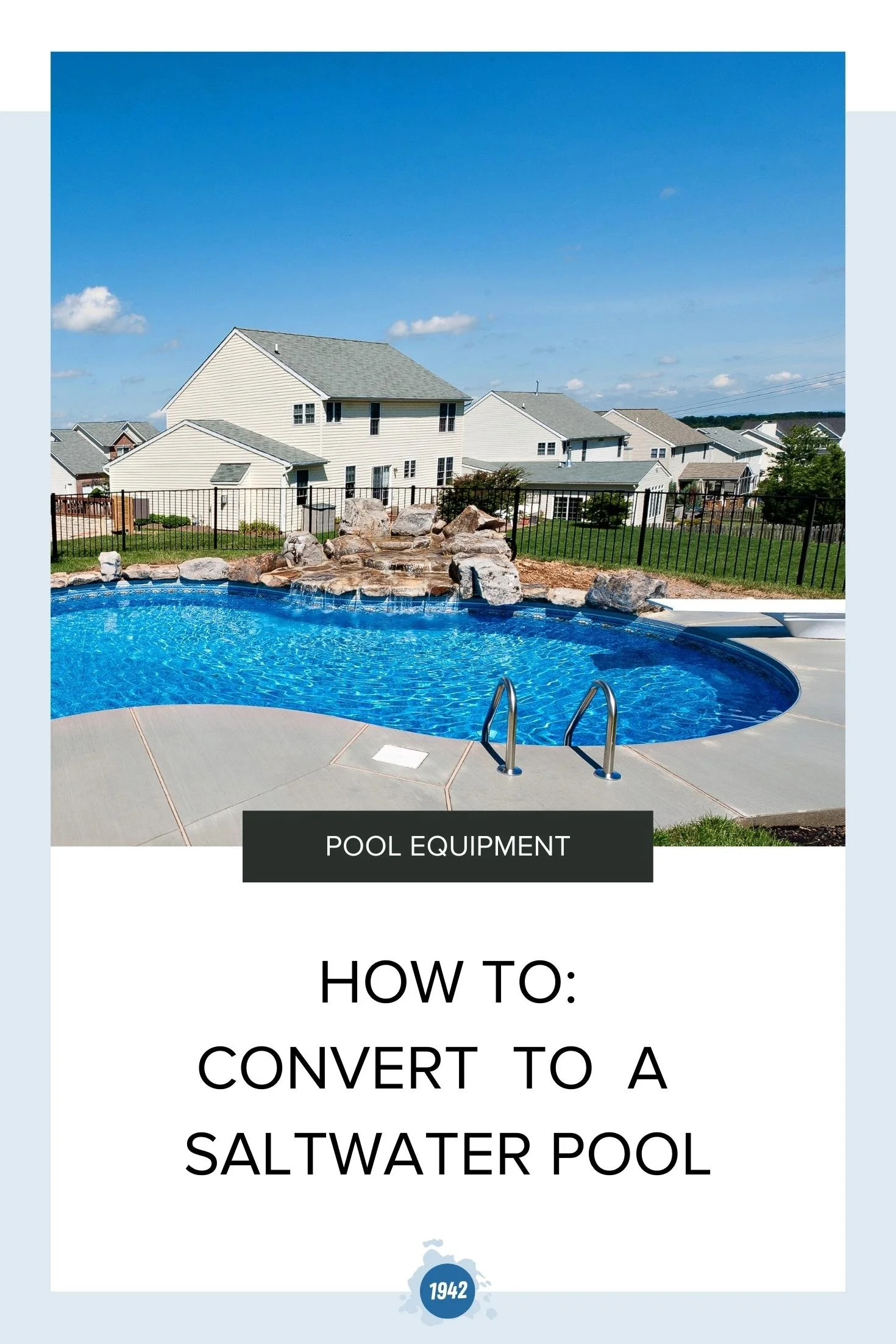
Are you curious about how to convert your pool to saltwater? You're not alone. Many pool owners are switching to salt, and it's not as complex as you may think.

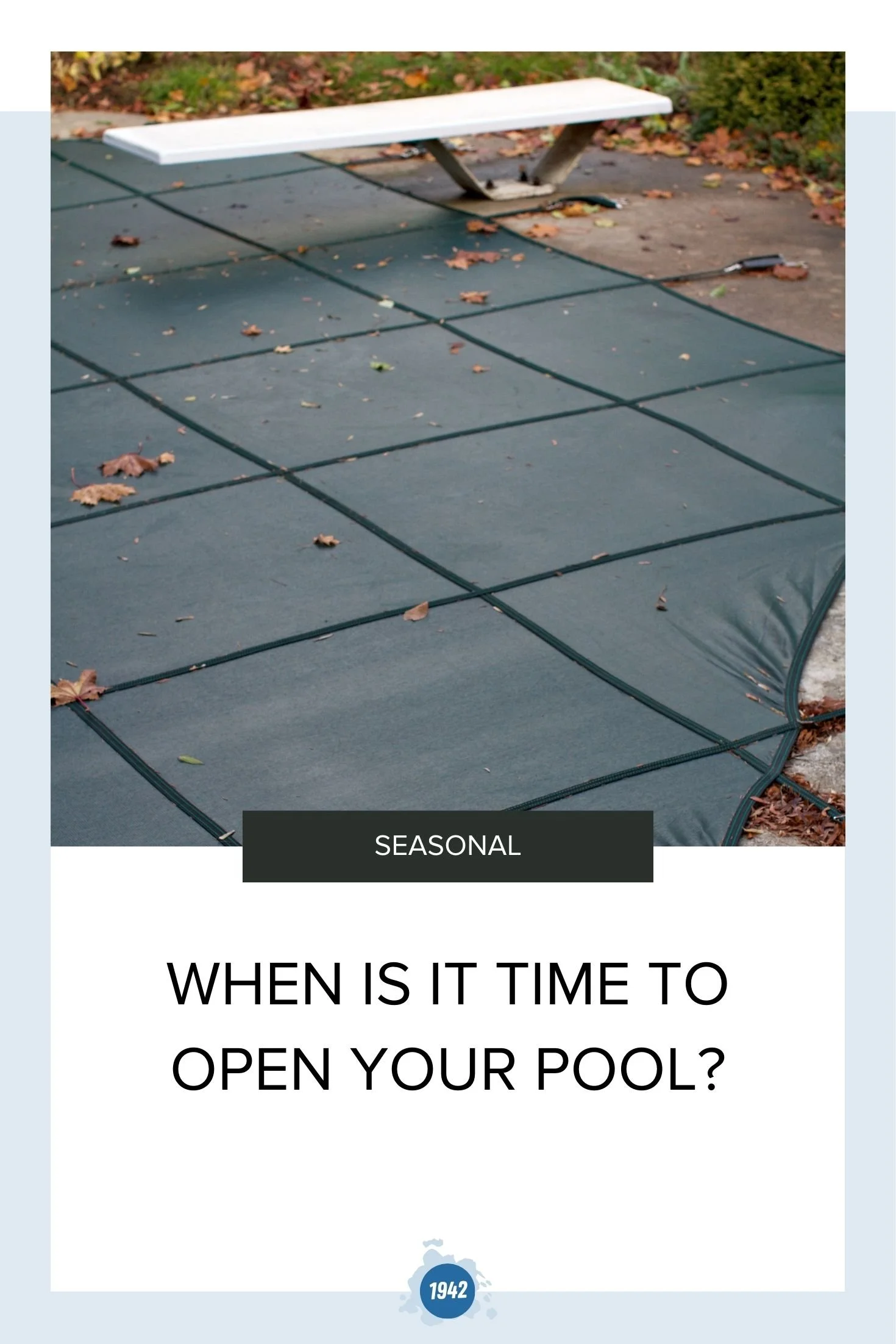
It’s official, it’s spring! Here in Maryland, this is the time of year when we start to get a taste of the weather to come. A chorus of birdsong fills the air as the migrating birds return, trees are budding, peepers are peeping, and it’s usually now that many people begin to wonder, “When should I open my pool?”

Are you thinking about adding an inground swimming pool to your backyard? Designing and building an inground pool is a significant undertaking that requires careful planning and patience. But one of the first things to consider is how you will finance your new pool.

The state of the economy over the past few years has had a notable impact on the swimming pool industry, shaping consumer behavior and market trends. Here are some key ways the economy has influenced and will continue to influence the industry in 2025:

Designing and building a custom swimming pool in your backyard is an exciting venture, but it's also a significant commitment of time and money. If you have never designed and built a swimming pool before, it's essential to do your research. One of the first and most important decisions you will face is choosing the right swimming pool designer and builder.

Are you considering a new inground swimming pool for your backyard? Most people love the idea of having a swimming pool. I mean, who wouldn't want a swimming pool right in their backyard! If this is a decision that you are considering, there are some important things that you need to think about first.

Deciding which type of pool to install is your first step in your pool ownership journey. Making any other decision is easier once you've made that one. But trying to find unbiased information is a challenge!

Chlorine has been the number one choice to sanitize swimming pools since, well, forever. It has some drawbacks, but it does a great job killing germs and bacteria, oxidizing and deters algae but most importantly (until recently), it has been the least expensive.


All concrete pools are not the same! Here at Browning, we often refer to a concrete swimming pool as a gunite swimming pool. Gunite is a form of concrete that is applied to a surface pneumatically. The formula for concrete in a gunite application has a higher percentage of cement and a lower percentage of water than that of a “cast-in-place” or “shotcrete” concrete.

The interior finish of a pool can transcend its design to a whole new level of style and beauty. There are many types of pool finishes for concrete pools to choose from, including plaster, quartz, and aggregate finishes. Each option comes in an array of materials, colors, and textures - from traditional white plaster to a variegated blend of river pebbles or glass beads.

There are many reasons that we always encourage pool owners to open their pool early; the main one being is to avoid opening a green pool! We are now over one month into the opening season, and the majority of pools we've opened have been green. The lovely warm winter this year has created ripe conditions for algae, and they love it!
Here are 8 proven tips to help get your pool swim-ready in the least amount of time:

Many pool owners may think that once you close your pool for the winter, you're finished taking care of your pool until the following spring. Simply not true. Your pool needs year-round attention! Between the winter precipitation coupled with freezing temperatures, real damage can occur to your pool. But no worries! We have some simple tips to follow to make sure that your pool is well taken care of during the winter months.

Recently we published an article about how to backwash DE filters. Monthly backwashing is a great way to keep your filter in good shape, but over time as dirt, grime, oils, etc. begin to buildup on your grids, you'll need more than just a backwash.
Here in Maryland, our pools are closed for about 5 - 6 months of the year, so giving your DE filter a full cleaning and inspection once a year is recommended.

The sand in your sand filter needs to be replaced every 3-5 years. Over time the sharp edges of the sand particle become worn and rounded, and the ability to capture contaminants is diminished. If you need a sand change, you will notice that your pool water is not as clean, and the interval between backwashing is shorter and shorter.

The pool filter is one of the most important yet often overlooked pieces of equipment within your circulation system. A filter doesn't require electricity, and there aren't many moving parts, but what it does have is pressure. Every pool filter has a pressure gauge, and by understanding how to read the pressure gauge, you will be able to see a snapshot of how your pool system is doing as a whole.
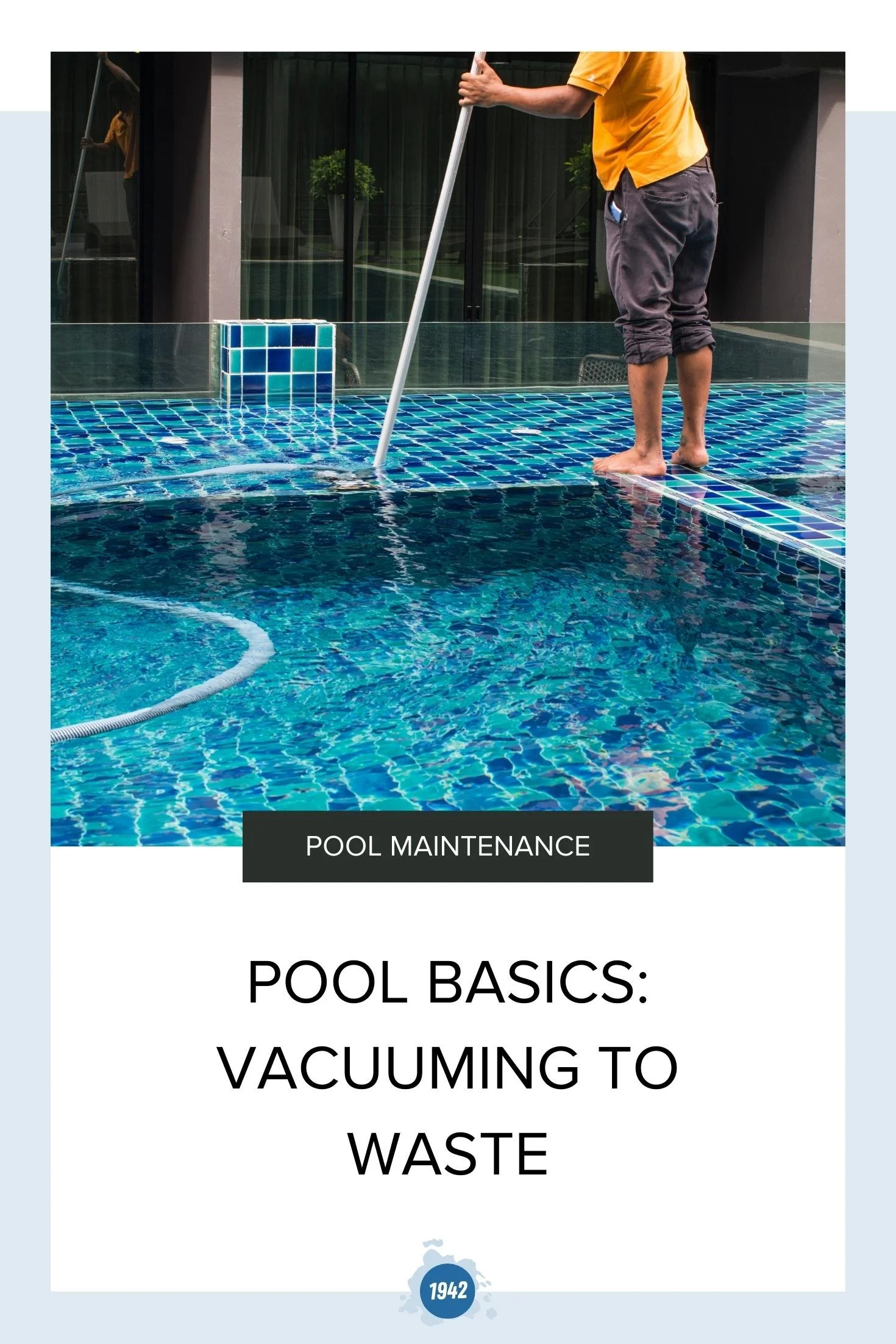
Every swimming pool needs a manual vacuum even if you own an automatic cleaner. Automatic cleaners are such a time-saving piece of pool equipment, but some issues can come up that your automatic cleaner cannot clean. THE TOP REASON TO VACUUM TO WASTE - ALGAE BLOOMS! The last thing you want to do is vacuum algae manually, which will contaminate your filter. Your pool will not clear up. In fact, the chances of your problem getting worse are very high. You'll also need to vacuum to waste when there is a large amount of debris or leaves in the pool, usually at opening.

Backwashing your pool is critical in maintaining healthy, clean, safe water. Let's take a look at what backwashing is and WHY, WHEN, and HOW to backwash your pool.

Backwashing a DE filter is a relatively simple process if you follow a few quick and easy steps. Let's take a look at WHY, WHEN, and HOW to backwash a DE filter with a multiport valve.

Sand filters are relatively easy to maintain. Let's take a look at WHY, WHEN, and HOW to backwash a sand filter with a multipart valve.

There are three types of pool filters: cartridge, sand, and DE (diatomaceous earth). Sand and DE filters use a multiport valve to help clean or backwash the filter media. Multiport valves are called multiport valves because they have multiple ports inside the valve that allows the water to move in multiple directions.

If you have a scheduled pool closing with us, thank you for choosing Browning Pools & Spas! We want you to understand what to expect and how to best prepare for your pool closing. If you have any questions or concerns regarding your appointment, please don’t hesitate to give us a call. 301-972-3800.
Your pool needs good circulation to keep the water clean. Good water circulation helps your pool's sanitation system, your filter, and your added chemicals do their job.

The pump basket is located in the pump housing assembly, and its purpose is to collect large debris that the skimmer missed or debris that was sucked through the main drain. This humble basket prevents debris from entering the pump assembly and clogging the impeller.

The pump is virtually the heart of your swimming pool's circulation system. Its sole purpose is to pull water from the pool through the skimmer and main drain. The water is then pushed through the filter and returned to the pool through the main returns. Just like the equipment for your home needs attention, the equipment for your swimming pool also requires routine maintenance. Let's take a look at some easy steps that will help keep your pool's pump in prime condition.

With fall approaching, this is the time to plan on upgrading your pool cover. It's common for pool owners to put off investing in a good quality cover. After all the pools being closed for the winter, what real difference does it make?

We've talked before about the top 2 best ways to extend your pool season with a gas heater or a heat pump. But if your not ready to shell out that kind of cash there are other ways that you can extend your pool season. The best part is you don't have to break the bank.

SWIMMING POOL FINANCING
THE TOP 5 WAYS TO FINANCE A SWIMMING POOL
Are you thinking about an inground swimming pool? You are not alone! Tons of folks have decided to take the plunge, literally! But designing and building a swimming pool is no small task. It takes planning and a lot of patience, and one of the first things that you need to think about is how your going to finance your pool and what terms you qualify for ahead of time.
POPULAR
Here are some of our top viewed articles.
Featured
Buying a pool today looks a little different than it did just a few years ago—but the fundamentals of good planning, quality construction, and a thoughtful process remain the same. If you’re considering a backyard pool in 2026, here’s what you can expect.
As pool builders for over 83 years, it's safe to say that the number one question we get is, "How much does it cost to build a pool?" Unfortunately, this question is difficult to answer because every project is unique. However, we understand that budgeting and financing can be challenging without some idea of the costs involved.
Are you curious about how to convert your pool to saltwater? You're not alone. Many pool owners are switching to salt, and it's not as complex as you may think.
Are you thinking about adding an inground swimming pool to your backyard? Designing and building an inground pool is a significant undertaking that requires careful planning and patience. But one of the first things to consider is how you will finance your new pool.
The state of the economy over the past few years has had a notable impact on the swimming pool industry, shaping consumer behavior and market trends. Here are some key ways the economy has influenced and will continue to influence the industry in 2025:
Chlorine has been the number one choice to sanitize swimming pools since, well, forever. It has some drawbacks, but it does a great job killing germs and bacteria, oxidizing and deters algae but most importantly (until recently), it has been the least expensive.
Backwashing your pool is critical in maintaining healthy, clean, safe water. Let's take a look at what backwashing is and WHY, WHEN, and HOW to backwash your pool.

If the interior finish of your pool is plaster, quartz, or an aggregate finish like Wet Edge, knowing why, when, and how to brush your pool is essential. A thorough brushing prevents algae and extends the life of your pool surface, and believe it or not, there is a right way to brush your pool.

SWIMMING POOL MAINTENANCE
WHY, WHEN, & HOW TO BRUSH YOUR POOL
If the interior finish of your pool is plaster, quartz, or an aggregate finish like Pebble Tec or Wet Edge, knowing why, when, and how to brush your pool is essential. A thorough brushing prevents algae and extends the life of your pool surface, and believe it or not, there is a right way to brush your pool.
POOL MAINTENANCE
Explore our most popular articles on pool maintenance, the essential but often overlooked aspect of pool ownership.
Featured
Many pool owners may think that once you close your pool for the winter, you're finished taking care of your pool until the following spring. Simply not true. Your pool needs year-round attention! Between the winter precipitation coupled with freezing temperatures, real damage can occur to your pool. But no worries! We have some simple tips to follow to make sure that your pool is well taken care of during the winter months.
Recently we published an article about how to backwash DE filters. Monthly backwashing is a great way to keep your filter in good shape, but over time as dirt, grime, oils, etc. begin to buildup on your grids, you'll need more than just a backwash.
Here in Maryland, our pools are closed for about 5 - 6 months of the year, so giving your DE filter a full cleaning and inspection once a year is recommended.
The sand in your sand filter needs to be replaced every 3-5 years. Over time the sharp edges of the sand particle become worn and rounded, and the ability to capture contaminants is diminished. If you need a sand change, you will notice that your pool water is not as clean, and the interval between backwashing is shorter and shorter.
Every swimming pool needs a manual vacuum even if you own an automatic cleaner. Automatic cleaners are such a time-saving piece of pool equipment, but some issues can come up that your automatic cleaner cannot clean. THE TOP REASON TO VACUUM TO WASTE - ALGAE BLOOMS! The last thing you want to do is vacuum algae manually, which will contaminate your filter. Your pool will not clear up. In fact, the chances of your problem getting worse are very high. You'll also need to vacuum to waste when there is a large amount of debris or leaves in the pool, usually at opening.
Backwashing your pool is critical in maintaining healthy, clean, safe water. Let's take a look at what backwashing is and WHY, WHEN, and HOW to backwash your pool.
Backwashing a DE filter is a relatively simple process if you follow a few quick and easy steps. Let's take a look at WHY, WHEN, and HOW to backwash a DE filter with a multiport valve.
Sand filters are relatively easy to maintain. Let's take a look at WHY, WHEN, and HOW to backwash a sand filter with a multipart valve.
The pump basket is located in the pump housing assembly, and its purpose is to collect large debris that the skimmer missed or debris that was sucked through the main drain. This humble basket prevents debris from entering the pump assembly and clogging the impeller.

It's perfectly normal for your pool to lose water every day to evaporation, but if you notice an excessive loss of water, chances are you have a leak. A leak needs attention right away because the water level needs to be maintained in the middle of the skimmer. When your pool water level is too low, the skimmer takes in too much air, and this will cause problems with your pool system and will eventually cause the motor of your pump to burn out.
If the interior finish of your pool is plaster, quartz, or an aggregate finish like Wet Edge, knowing why, when, and how to brush your pool is essential. A thorough brushing prevents algae and extends the life of your pool surface, and believe it or not, there is a right way to brush your pool.

SWIMMING POOL EQUIPMENT
CHLORINE POOL ALTERNATIVES
The increased cost of chlorine has led many pool owners to consider other solutions for sanitizing their pools; check out three of the top alternatives.
POOL CHEMISTRY
Pool chemistry isn't for everyone. However, if you are someone who manages your water balance on your own, congratulations! One common saying we often repeat is, "Clear water does not always mean clean or safe water," which is a frequent misconception among those new to pool chemistry. Here are a few quick resources to help you on your journey to maintaining balanced water. If it all feels overwhelming and you live in the area, our team of pool service professionals is ready to assist you. Call us at 301-972-3800!
Featured
Chlorine has been the number one choice to sanitize swimming pools since, well, forever. It has some drawbacks, but it does a great job killing germs and bacteria, oxidizing and deters algae but most importantly (until recently), it has been the least expensive.
When it comes to water chemistry, the volume of your pool is an important number that you need to know. Knowing the volume - the number of gallons in your pool - is essential. The amount of pool chemicals needed to achieve and maintain water balance is dependent on the volume of water in your pool. Underdosing means more work for you, and overdosing means more money, both of which are a nuisance. The nice thing is that you only need to figure this number out once and you're good to go.

Believe it or not, there is a right and a wrong way to collect your water sample. A water sample is supposed to be a reflection of the water chemistry of your entire pool and staying on top of your readings is the foundation of your swimming pool season success. If a sample is contaminated or otherwise amiss, you can create big headaches and spend a bunch of money needlessly. Nobody wants that. Let's make sure you're collecting your water sample correctly for either your home test or for bringing a sample into our stores for analysis.

When you hear saltwater, most people think of the ocean, not swimming pool water. But now millions of pools worldwide are saltwater pools, so let’s take a look at what having a saltwater pool means. But before we get to that, I mentioned ocean water, and if you have ever gotten a mouthful of ocean water, then you know how salty the water tastes. A saltwater pool is not the same; in fact, just a drop of water from a saltwater chlorinated pool contains less salt than a human tear.

Have you ever wondered how rain affects your swimming pool water or if there is anything specific that you should do after it rains? As a pool owner, it’s a question worth asking because, after it rains, particularly heavy rain, the water of your pool changes both on a chemical and physical level. The amount of rain is important to consider. Light rainfall and showers will not impact your pool nearly as much as a rainstorm with heavy wind.

The number one reason to use borates in your swimming pool water is for easy maintenance. Check out the six key advantages of using borates:

When it comes to maintaining your swimming pool and keeping your water balanced no chemical is more important than chlorine. Chlorine is the chemical compound that works to kill contaminants in your pool water like bacteria, sweat, urine, skin oils, and other microorganisms that could otherwise cause harm.

What is Calcium Hardness in pools? Calcium hardness is a concentration of calcium ions which appears in the pool water in the form of calcium carbonate. Calcium is naturally present in water, but when it comes to your swimming pool water, it needs to be maintained and prevented from going either too high or too low by keeping it within the target range of 200-300 ppm. If Calcium Hardness is not kept within range, your pool water can become too aggressive or end up scaling the surface of your swimming pool.

Total Alkalinity (TA) is the total amount of alkaline materials present in the water. Also called the buffering capacity of the water. It is the water’s resistance to change in pH.

Your swimming pool water chemistry is essential, and it needs to be kept in proper balance. Not only for swimmer comfort and safety but also to protect the swimming pool itself, and equipment. The pH level, in many ways, is the foundation of this balance.

If you notice that your pool water is cloudy after overcoming an algae bloom, most likely you need a coagulant agent. (make sure to rule out any chemical imbalances first) Clarifier and Flocculant are types of coagulant agents, and their job is to clump these tiny particles into larger clumps so that your filter can collect them or be flushed to waste.

Clearing a green pool is probably one of the most frustrating parts of pool ownership. Even the most caring pool owners can suffer with pool algae. We’ve been clearing green pools and helping pool owners clear green pools for a long time, so we know first hand the gut-wrenching feeling that can overcome you when you lay your eyes upon a green, swampy unsightly mess.

SWIMMING POOL EQUIPMENT
HOW TO CONVERT TO A SALTWATER POOL
With a saltwater pool you are still using chlorine to sanitize your pool, you are just manufacturing your own.
The chlorine produced by a saltwater pool is higher-quality chlorine that does not have the negative effects of traditional chlorine, such as red eyes, itchy skin, and the strong smell of chloramines. If you decide to convert your pool to a saltwater system, you no longer need to purchase chlorine tablets, liquid chlorine, or shock because your salt system will be creating all of your chlorine.
POOL EQUIPMENT
Featured
Are you curious about how to convert your pool to saltwater? You're not alone. Many pool owners are switching to salt, and it's not as complex as you may think.
The pool filter is one of the most important yet often overlooked pieces of equipment within your circulation system. A filter doesn't require electricity, and there aren't many moving parts, but what it does have is pressure. Every pool filter has a pressure gauge, and by understanding how to read the pressure gauge, you will be able to see a snapshot of how your pool system is doing as a whole.
There are three types of pool filters: cartridge, sand, and DE (diatomaceous earth). Sand and DE filters use a multiport valve to help clean or backwash the filter media. Multiport valves are called multiport valves because they have multiple ports inside the valve that allows the water to move in multiple directions.
Your pool needs good circulation to keep the water clean. Good water circulation helps your pool's sanitation system, your filter, and your added chemicals do their job.
The pump is virtually the heart of your swimming pool's circulation system. Its sole purpose is to pull water from the pool through the skimmer and main drain. The water is then pushed through the filter and returned to the pool through the main returns. Just like the equipment for your home needs attention, the equipment for your swimming pool also requires routine maintenance. Let's take a look at some easy steps that will help keep your pool's pump in prime condition.
With fall approaching, this is the time to plan on upgrading your pool cover. It's common for pool owners to put off investing in a good quality cover. After all the pools being closed for the winter, what real difference does it make?
We've talked before about the top 2 best ways to extend your pool season with a gas heater or a heat pump. But if your not ready to shell out that kind of cash there are other ways that you can extend your pool season. The best part is you don't have to break the bank.

Living in the DC metropolitan area, there is no question that our swim season seems to always be cut way too short. Here we have the top 2 best ways to extend your pool season. We're talking extending your swim season by months! Who doesn't want that?

"Filtration, filtration, filtration!" Another critical piece of equipment for maintaining clean, safe pool water is your filter. The filter helps keep the pool clean by removing undissolved debris and dirt particles from your pool water.
There are three types of filters available: sand filters, cartridge filters, and D.E. filters. Each one has its pros and cons, but when used properly, any of the three will do its job of keeping your pool clean and clear.

The pool pump is the heart of your swimming pool's circulation system. It creates the flow of water that allows chemicals to circulate evenly throughout your pool and is instrumental in effectively sanitizing your water, and it moves debris through the circulation system and out of your pool.
Have a Question?